History • Culture • Heritage

Historical Events

Iranian heritage has been shaped by ancient celebrations, important national commemorations, influential poets, and religious teachings. These events connect people with their history and help preserve the stories, values, and traditions that have influenced Iranian identity across generations.

Discover Iran's Heritage

Explore four important cultural and historical observances that reflect Iran's traditions, national history, Persian literature, and ancient beliefs.

The Persian Gulf, celebrated for its historical and cultural significance
02 · National Commemoration

Persian Gulf National Day

روز ملی خلیج فارس

Definition: Persian Gulf National Day is an Iranian national commemorative day that celebrates the history, name, and cultural significance of the Persian Gulf.

Explanation: It is observed on 10 Ordibehesht in the Iranian calendar, usually corresponding to 29 or 30 April. The date commemorates the expulsion of Portuguese forces from Hormuz in 1622, with the help of Safavid forces and English naval support. The day highlights the Persian Gulf's historical importance for trade, geography, and Iranian identity.

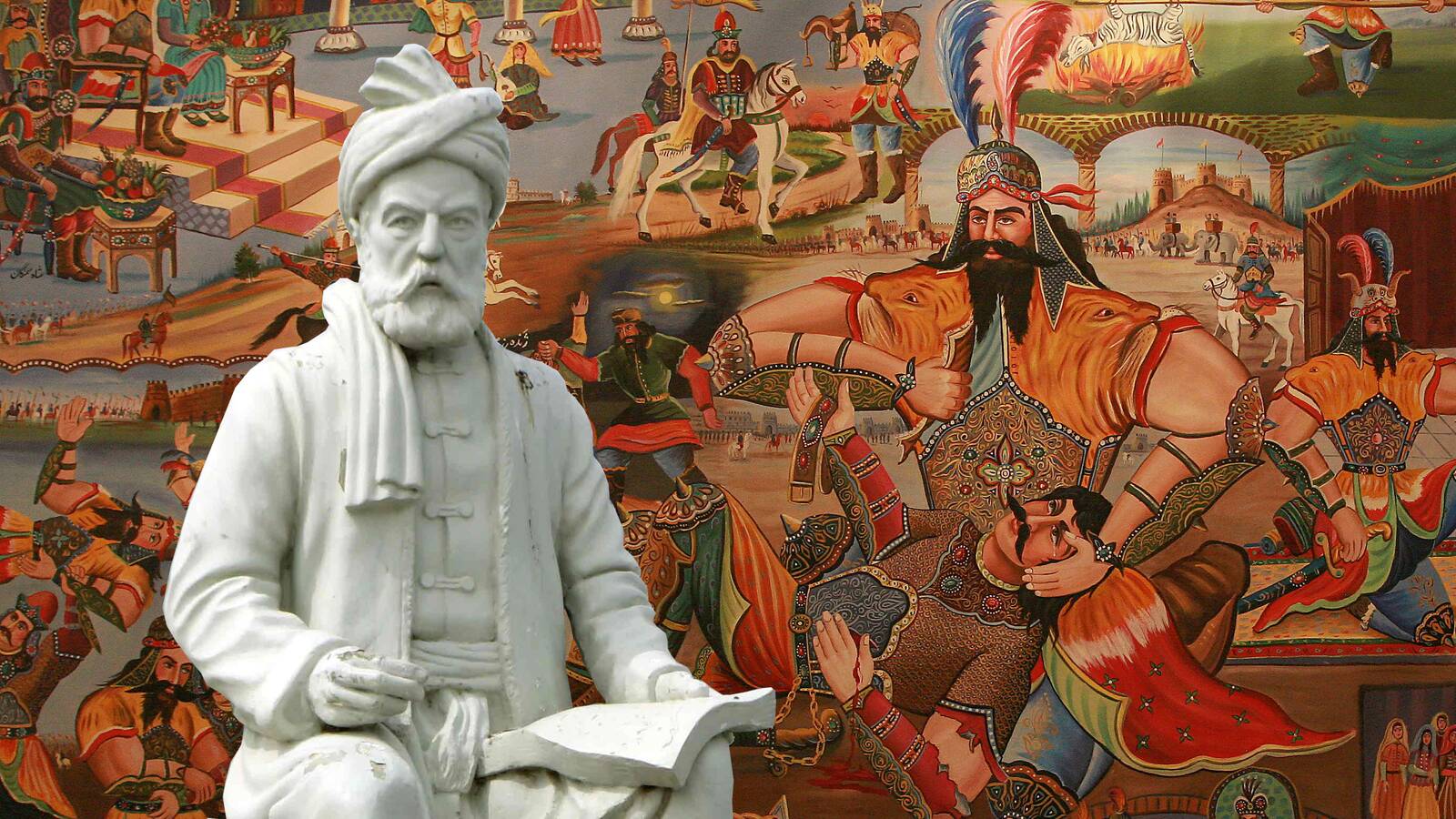
Ferdowsi, the Persian poet who wrote the Shahnameh
03 · Persian Literature

Ferdowsi Day

روز فردوسی

Definition: Ferdowsi Day is a commemorative day honouring Abu'l-Qasem Ferdowsi, the celebrated Persian poet who wrote the Shahnameh (Book of Kings).

Explanation: The Shahnameh is a major Persian epic that recounts the legends, heroes, and rulers of ancient Iran. Ferdowsi's work helped preserve Persian language, literature, and cultural traditions across generations. Honouring him recognizes the role of literature in keeping a culture's stories and identity alive. Ferdowsi Day is commonly observed on 25 Ordibehesht in Iran.

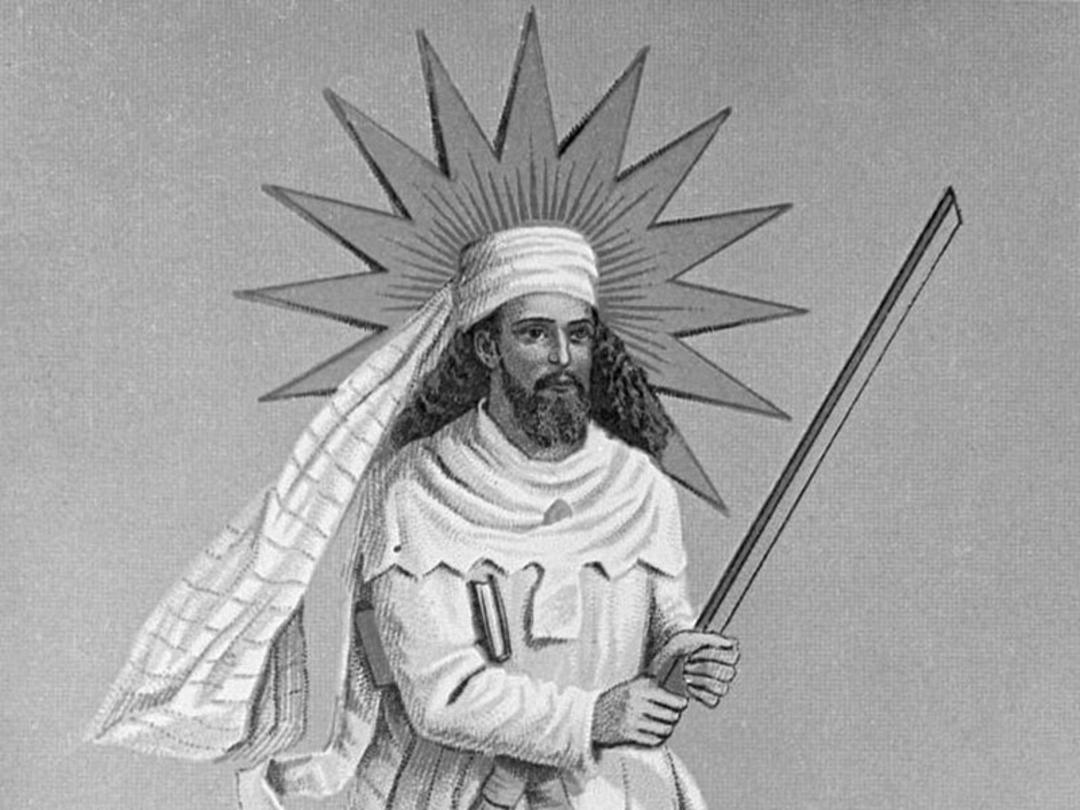
An image associated with Zartosht and Iranian Zoroastrian heritage
04 · Ancient Beliefs

Birthday of Ashu Zartosht

زادروز آشو زرتشت

Definition: This observance honours Zoroaster, also known as Zarathustra or Zartosht, the religious teacher traditionally regarded as the founder of Zoroastrianism.

Explanation: Zoroastrianism is one of the world's ancient religions and has played an important role in Iranian religious and cultural history. Its teachings place importance on good thoughts, good words, and good deeds. The observance of Zoroaster's birthday reflects the continuing significance of his teachings and their influence on Iranian heritage. The exact historical date of his birth is uncertain, and commemorative dates can vary between communities and calendars.